Termite Treatment Services for Homeowners
Request a termite estimate
A lot of first-time homeowners think termites are a problem for hot, faraway states. In practice, they live in soil across much of the country, and they can work quietly inside the wood of a house for a long time before anyone notices.
Implementedrunning Pest Control is a referral service. We do not treat homes. We explain the process in plain words, show what drives the price, and connect you with independent providers in our network who serve Danbury and the Danbury area. The provider inspects, treats, and puts the plan in writing. Request an estimate to get started.
Think You Have Termites? Start Here
First, breathe. Termites eat slowly, so you have time to make a smart choice. Still, do not ignore what you saw. Take a photo, leave the area alone, and ask a local provider to inspect it.
Myth: Termites Only Live in Warm Places
A lot of people think cold winters keep termites away. In practice, colonies live deep in the soil and stay below the frost line. Our snowy winters and spring snowmelt do not stop them. They just slow down for a while.
Why Waiting Costs More
Termites feed all day and all night. Small damage today can become sills, joists, and studs that need repair later. Treating early usually means a smaller job and a smaller bill.
Know the Warning Signs
You may not see the insects at all. You will more likely see what they leave behind.
Signs Inside the House
- Mud-colored tubes on basement walls or beams
- Wood that sounds hollow when you tap it
- Paint that bubbles or doors that suddenly stick
- Tiny piles of pellets that look like sawdust
Signs Outside the House
Look along the foundation, near the porch, and around wood that touches soil. Swarms of winged insects in spring are a big clue. Piles of shed wings near a window are another.
Myth: You Would Notice Right Away
Most homeowners think damage would be obvious. Often it is not. Termites eat wood from the inside and leave a thin outer shell. Finished basements and covered walls hide them even longer, so a trained eye matters.
Types of Termites
The type decides the treatment, so the provider will want to identify it first.
Subterranean Termites
These are the most common. They live in the ground and travel to your house through mud tubes. Cracks in stone and block foundations give them easy paths.
Drywood Termites
These live right inside dry wood and do not need soil. They are less common in cold climates but can arrive in furniture or flooring.
Dampwood Termites
They like wet, rotting wood. Leaky gutters, damp sills, and wood hit by freeze-thaw cycles can attract them.
How Termite Treatment Works
Treatment is not one-size-fits-all. A typical visit follows a clear path.
The Inspection
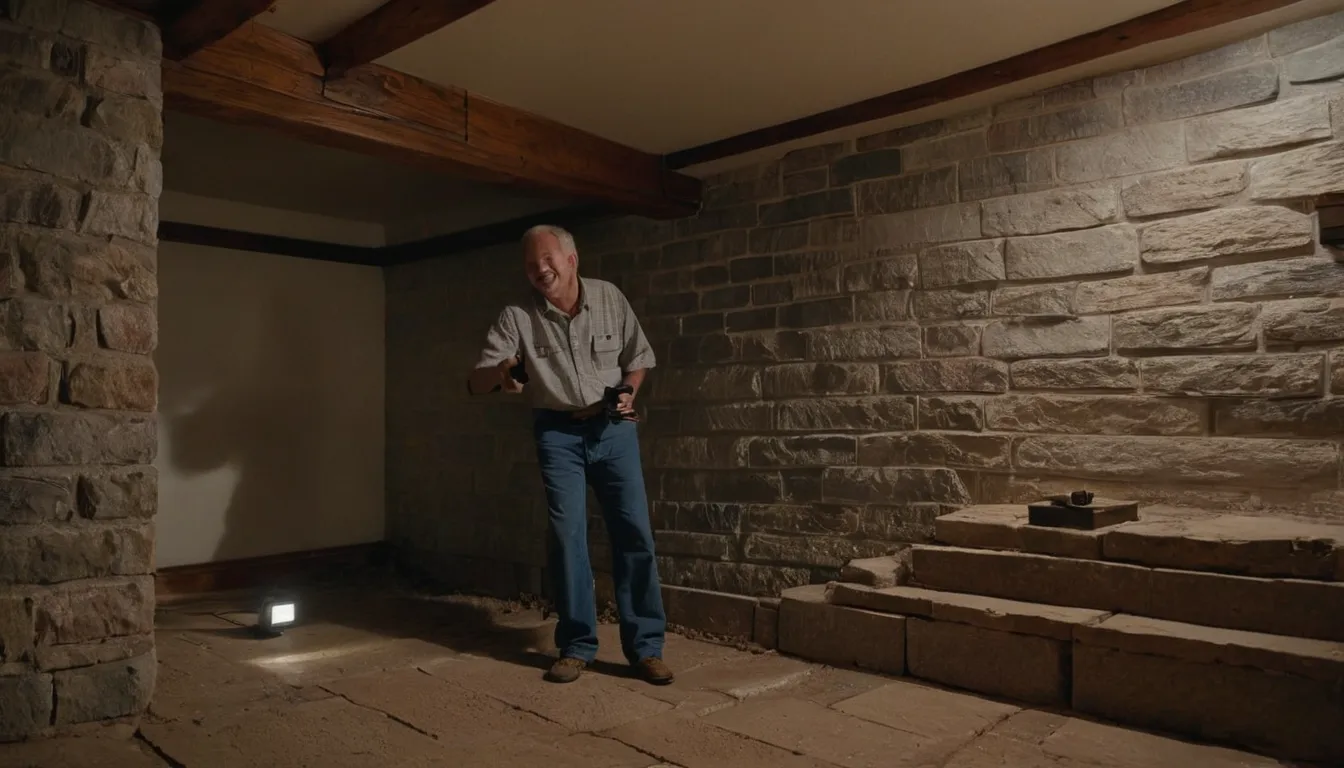
The provider checks the foundation, basement, crawl spaces, and wood near the soil. Older homes and Cape Cod style houses often have tight spots that take extra time to check.
Liquid Barrier or Bait Stations
A liquid treatment creates a protective zone in the soil around the house. Bait stations sit in the ground and lure termites to a slow-acting product that spreads through the colony. Your provider will explain which fits your home.
Treating the Wood Itself
For drywood problems, the provider may treat affected areas directly or cover the whole house in a tent. That method is called fumigation.
Myth: A Store-Bought Spray Will Fix It
Sprays kill the few termites you can reach. The colony stays safe underground and keeps feeding. Professional products and methods reach the source, which is why this job is usually left to licensed providers.
Termite Inspections for Home Sales
Buying or selling? Lenders and buyers often ask for a written termite report. If you are selling, an early inspection lets you deal with any finding on your own schedule. If you are buying, the report can help you plan before closing.
Choosing a Termite Provider
Ask before you sign. Check that the provider is licensed in your state, carries insurance, and explains the product they plan to use. Ask what the warranty covers and what it does not.
Get the Quote in Writing
A written quote should list the treatment type, the areas covered, the price, and any yearly renewal fee. Compare two or three before you decide.
After Treatment
Termite treatment is not a one-time magic trick. Expect follow-up visits to check bait stations or confirm the barrier is holding. Keep gutters clear, fix leaks, and store firewood away from the house.
When to Call the Provider Back
If you see new mud tubes or swarmers after treatment, tell the provider. Many offer re-treatment under their warranty terms, so keep your paperwork in a safe place.
What's Included
Full Inspection
A provider checks the foundation, basement, and wood near soil to find where termites are active.
Barrier Treatment
Liquid product placed in soil around the house to block termites from reaching wood.
Bait Stations
Ground stations that carry slow-acting product back to the colony over several weeks or months.
Follow-Up Checks
Return visits to confirm the treatment worked, plus a written report for your records.
What Termite Treatment Costs
Price depends on home size, termite type, and how much wood is affected. These are typical U.S. ranges only. Always get a written quote from the provider before work begins.
| Service | Typical range | Notes |
|---|---|---|
| Termite inspection | $75 – $300 | Some providers include it when you hire them for treatment |
| Liquid soil barrier | $1,000 – $2,500 | Based on the linear feet around your foundation |
| Bait station system | $1,500 – $3,500 | Often includes monitoring visits |
| Drywood spot treatment | $250 – $900 | Works for small, clearly located areas |
| Whole-home fumigation | $1,200 – $3,500 | Larger homes cost more; you leave for a few days |
| Yearly monitoring plan | $250 – $800 | Covers re-checks; terms vary by provider |
How It Works
Request an Estimate
Tell us what you found and where. Share photos if you have them.
Get Matched
We connect you with an independent local provider in our network.
Inspection and Quote
The provider inspects the home and gives you a written plan and price.
Treatment and Follow-Up
You approve the plan, the provider treats, then checks back as agreed.
Why Call Implementedrunning Pest Control
Plain-Words Process Guide
We explain each step before you talk to anyone, so quotes and terms are easier to understand.
Myths Cleared
Learn what is true about termites, seasons, and sprays so you do not waste money.
Cost Clarity
See what drives the price and what a written quote should include before you agree.
Local Providers
Independent providers in our network serve Danbury and nearby areas and do all the work.
Other Services
Need termite treatment services in Danbury?
- Plain answers for first-time homeowners
- Pests, rodents and termites
- Clear price ranges
- Estimate request online
Termite Treatment Services FAQ
How do I know if I have termites or carpenter ants?
Termites have straight antennae, a thick waist, and two wings of equal length. Ants have bent antennae and a pinched waist. Ants leave clean sawdust, while termites leave mud tubes. A provider can confirm.
How long does termite treatment take to work?
A liquid barrier is usually applied in a day or two, and activity often drops within weeks. Bait systems work more slowly, sometimes taking several months. Your provider should explain the timeline and schedule follow-up checks.
Does homeowners insurance cover termite damage?
Many policies exclude termite damage because it is seen as preventable. Some policies may cover sudden damage from other causes, so check your policy. Providers can often help document damage for a claim.
Get in touch
Send a few details about your pest problem and request an estimate. A local provider in our network will follow up. Questions first? Email contact@implementedrunning.garden.
No obligation